 Business License

Bulk degreaser drums and safety documents for industrial metal cleaning
Introduction: Bulk degreaser drum sizes, safety files, transport terms, and quote clues should be read as separate information layers before B2B sourcing decisions.
Industrial buyers often read a degreaser supplier page with several goals at once: identify whether the product fits metal cleaning, understand whether the packaging suits factory use, and judge whether the visible commercial terms are enough for internal sourcing notes. For RUIBAO Cleaner RSB-103D, the visible 25kg/drum and 200kg/drum packaging, $3.50-9.00 price range, Get The Latest Quote entry, FOB clue, lead time clue, and payment clue are useful starting signals. They do not, by themselves, define MOQ, stock status, transport classification, SDS content, final payment terms, or a complete purchase policy.
What 25kg and 200kg drums mean on an industrial degreaser cleaner page
A 25kg drum industrial metal cleaner format and a 200kg drum industrial metal cleaner format usually indicate that the product is presented for industrial consumption rather than household use. In metalworking, machinery manufacturing, automotive parts cleaning, and similar B2B operations, cleaning agents may be consumed through tanks, spray systems, ultrasonic units, hot soaking processes, or manual maintenance areas. Drum packaging makes sense in that operating environment because the product is not being positioned as a small retail bottle. For a bulk degreaser for industrial metal cleaning, the drum size helps the researcher understand the commercial scale and likely handling requirements, especially when the same product is described as a water-based, low-foam, rust-inhibiting metal cleaner for oil stains, cutting fluid, and dust on metal parts. The boundary is just as important as the signal. A 25kg or 200kg drum does not automatically confirm MOQ, pallet configuration, warehouse availability, per-drum net and gross weight, container loading, private label packaging, or wholesale discount rules. RUIBAO Cleaner RSB-103D includes both 25kg/drum and 200kg/drum as packaging specifications, which supports a bulk degreaser reading, but the buyer still needs a separate commercial document for order quantity, price validity, packaging label scope, and delivery arrangement. A smaller drum may suit lab trial, pilot production, or lower monthly consumption, while a 200kg drum may suit a recurring line with higher use volume. Those are operational interpretations, not confirmed purchasing rules. This distinction helps procurement researchers avoid two common mistakes. The first is treating drum size as proof of immediate inventory. The second is treating drum size as proof of a fixed pricing ladder. A visible price range such as $3.50-9.00 can be useful for early comparison, but without a confirmed unit, quantity basis, currency condition, and validity period, it remains a page-level clue. In B2B sourcing, packaging specifications answer the question “what supply format is visible?” They do not answer “what order can my company place today, at what confirmed cost, under what confirmed delivery and payment terms?”
Why safety data, labels, storage, and transport classification sit in different document layers
For an industrial metal degreaser, safety information is not one document. A buyer may need an SDS for hazard communication and workplace chemical management, a product label for container-level handling, storage guidance for internal warehousing, and transport classification for logistics. These layers overlap, but they do not replace each other. Workplace chemical controls, such as those described in COSHH guidance, focus on assessing risks, controlling exposure, and managing substances safely in real use. That kind of responsibility cannot be completed only by reading packaging size, marketing wording, or a short product description. The label layer is narrower but operationally important. A drum label may need product identification, handling warnings, batch information, supplier details, and internal receiving marks depending on the market and customer system. Storage guidance may involve segregation, temperature range, spill response, and compatibility with other chemicals. Transport classification is a separate logistics question because chemical products may require specific classification, packaging, marks, documents, and carrier acceptance depending on their properties and shipping route. A bulk degreaser described as water-based or eco-friendly should not be assumed to be unrestricted for transport unless the supplier provides the relevant documents and the freight provider accepts the classification. RUIBAO Cleaner RSB-103D can be discussed as an industrial degreaser cleaner with visible packaging and contact entries, but that does not mean an SDS, label artwork, transport classification, or disposal route has been verified. The available product information supports initial product research: it identifies the product as RSB-103D, gives visible drum sizes, and places it in an industrial metal cleaning setting. It does not provide enough basis to decide whether a shipment is regulated as hazardous material, whether a buyer’s warehouse can store it under existing chemical rules, or whether a factory’s internal EHS team will approve the cleaner for use. Those decisions require the formal safety and logistics document set. The practical result is a document boundary map rather than a simple yes-or-no answer. Product information helps screen whether the industrial metal cleaner is worth further review. SDS and label materials support workplace safety review. Transport classification supports freight planning and carrier communication. Internal chemical approval connects these external documents to the buyer’s own facility rules. When these layers are kept separate, procurement, EHS, logistics, and production teams can each make the decision they are responsible for without forcing one short supplier page to do the work of every formal document.
How price ranges, Get a Quote, FOB, lead time, and payment clues should be read
Commercial clues on a degreaser supplier page are useful because they show how a B2B conversation may begin. They are not the same as final order terms. RUIBAO Cleaner RSB-103D includes a visible price range, quote entry points, and Q&A-style clues such as 15 to 45 days after advance payment, 30% T/T deposit, 70% before delivery, and FOB. These signals help an industrial product information researcher understand what questions belong in the next communication stage. They should not be copied into a purchase file as fixed terms for every order unless a formal quotation or contract confirms them.
Page-level commercial clues identify the starting point for discussion.
A price range, Get The Latest Quote button, Download entry, or WhatsApp contact route helps the reader know that the supplier accepts commercial inquiry. The visible information can support early supplier mapping, but it should not be treated as a final quotation because unit basis, quantity, packaging, destination, validity, and taxes may all affect the real offer.
Formal files define the safety and technical record.
An SDS, TDS, approved label, certificate, test report, or internal approval document has a different role from a sales page. For industrial chemical purchasing, the research record should separate product description from safety, compliance, and workplace-use files. If an SDS or label document is needed, it should be requested or confirmed as a formal file rather than inferred from packaging wording.
Transport classification belongs to logistics confirmation.
Shipping a chemical cleaner can involve carrier rules, packaging requirements, regulated goods handling, and destination-specific documentation. The presence of 25kg and 200kg drums does not determine whether the product is restricted, non-restricted, hazardous, or subject to special freight conditions. Transport classification should come from the supplier’s documentation and the freight channel’s acceptance process.
FOB, lead time, and payment language belong in the contract layer.
FOB is an Incoterms-related trade term that needs the applicable version, named port, responsibilities, and contract wording to be clear. Lead time and payment clues can guide internal questions, but they should be confirmed through a quotation, proforma invoice, purchase order, or signed agreement. A general “15 to 45 days after advance payment” clue still needs order-specific quantity, production schedule, packaging, and shipment arrangement confirmation. This layered reading is especially useful when comparing more than one bulk degreaser or degreaser supplier. One supplier may provide a visible drum size but no transport document. Another may provide an SDS but no clear quote path. A third may mention FOB but leave the named port and cargo conditions unclear. The researcher’s task is not to turn every visible clue into a firm buying assumption. The task is to classify the clue into the correct information layer, then decide which team or document must confirm it before the sourcing record is complete.
Conclusion
Bulk degreaser information is valuable when it is read at the right level. For RUIBAO Cleaner RSB-103D, 25kg/drum and 200kg/drum packaging support an industrial metal cleaning supply context, while visible quote, FOB, lead time, and payment clues help frame the next B2B discussion. The safer interpretation is to separate packaging meaning, safety documents, transport classification, and contract terms. That approach gives procurement researchers a clearer sourcing record without turning page-level signals into unsupported commitments.
FAQ
Q:What does a 25kg or 200kg drum mean on a bulk degreaser product page?
A:It means the cleaner is presented in industrial drum packaging, which is relevant for factories, metal cleaning lines, and B2B supply discussions. It does not automatically confirm MOQ, stock status, pallet quantity, price breaks, freight method, or a fixed wholesale policy. Those details need separate confirmation through formal commercial communication.
Q:Can a degreaser supplier page replace SDS, label, and transport classification documents?
A:No. A degreaser supplier page can help identify the product, packaging, and inquiry route, but it cannot replace an SDS, approved label, storage guidance, transport classification, or a buyer’s internal chemical approval process. Industrial chemical handling and shipping decisions should be based on formal documents and applicable workplace or carrier requirements.
Q:Why should FOB, lead time, and payment clues be treated as page information rather than final terms?
A:FOB, lead time, and payment clues are useful for preparing sourcing questions, but they become binding only when confirmed in a quotation, proforma invoice, purchase order, or contract. The final terms may depend on quantity, destination, named port, production schedule, packaging requirements, and the agreed Incoterms version.
Sources / References
Control of Substances Hazardous to Health (COSHH) - HSE
Shipping Hazardous Materials - UPS
Incoterms 2020 - International Chamber of Commerce


Contact Us
Recommended Products
-
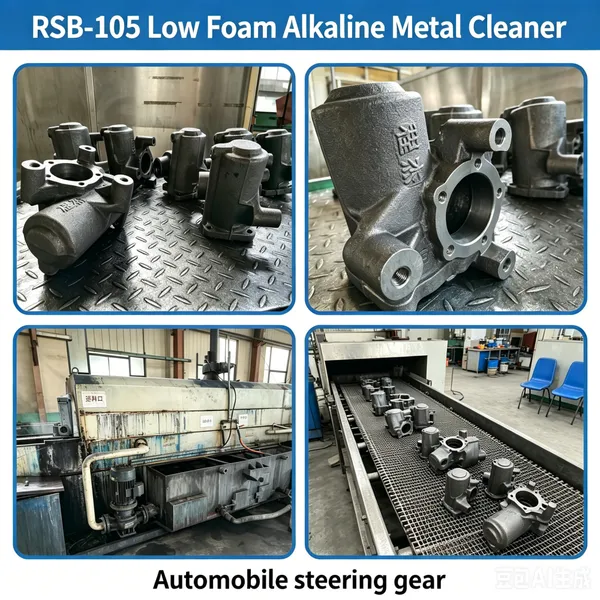
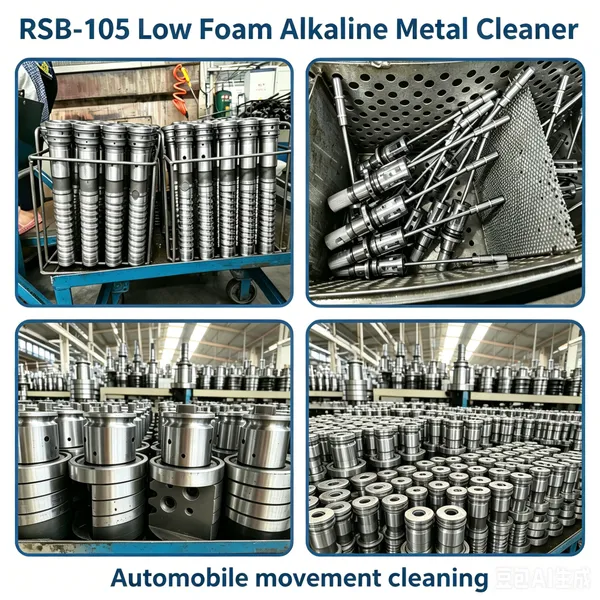
 Metal Parts Cleaner RSB‑103C, Industrial Degreaser Solution Low‑Foam Rust‑Inhibiting Metal Cleaner for Machinery Automotive Engineering MachineryUS$ 2.99 - 8MOQ: 100 Kilograms
 -
Metal Parts Cleaner Degreaser Solution RSB‑103C, Low‑Foam Rust‑Inhibiting for Cleaning Oil Cutting Fluid Dust on Machinery Ferrous Metal PartsUS$ 2.99 - 8MOQ: 100 Kilograms
-
Industrial Low‑Foam Rust‑Inhibiting Metal Cleaner RSB‑103C, Clean Oil & Cutting Fluid & Dust on Ferrous Metal Machinery Automotive ComponentsUS$ 2.99 - 8MOQ: 100 Kilograms
-
Ferrous Metal Parts Washing RSB‑103C Low‑Foam Rust‑Inhibiting Metal Cleaner for Machinery Automotive Engineering Machinery Parts CleaningUS$ 2.99 - 8MOQ: 100 Kilograms
-
RSB‑103C Metal Cleaning Agent Low‑Foam Rust Inhibition, Clean Oil Cutting Fluid Dust for Ferrous Parts in Machinery Automotive FieldUS$ 2.99 - 8MOQ: 100 Kilograms
-
Rust‑Inhibiting Low‑Foam Metal Cleaner RSB‑103C, Degrease Oil Cutting Fluid Dust for Ferrous Metal Machinery ComponentsUS$ 2.99 - 8MOQ: 100 Kilograms
-
RSB‑103C Ferrous Metal Parts Cleaner, Low‑Foam Rust‑Inhibiting Formula Remove Oil Cutting Fluid Dust for Machinery IndustryUS$ 2.99 - 8MOQ: 100 Kilograms
-
Low‑Foam Rust‑Inhibiting Metal Cleaner RSB‑103C, Clean Oil Cutting Fluid Dust on Ferrous Metal for Automotive & Engineering MachineryUS$ 2.99 - 8MOQ: 100 Kilograms
-
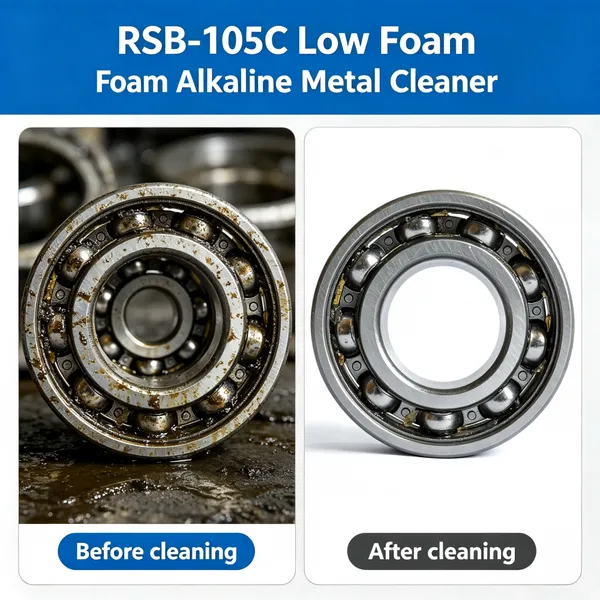
RSB‑103C Low‑Foam Rust‑Inhibiting Metal Cleaner, Industrial Metal Cleaner Degreaser Solution for Ferrous Metal Oil Cutting Fluid Dust RemovaUS$ 3 - 10MOQ: 100 Kilograms
-
RSB‑107 Copper Cleaning Agent, Industrial Surface Treatment Chemical for Comprehensive Cleaning of Various Copper and Copper Alloy MaterialsUS$ 2.99 - 8MOQ: 100 Kilograms

-
RSB‑107 Copper Cleaning Agent, Industrial Grade Liquid Cleaner for Copper Alloy Parts Remove Stamping Oil, Cutting Fluid and Surface DirtUS$ 2.99 - 8MOQ: 100 Kilograms
-
RSB‑107 Industrial Copper Cleaning Agent, Special Formula for Cleaning Brass, Red Copper, Bronze and Other Copper‑Based Metal ComponentsUS$ 2.99 - 8MOQ: 100 Kilograms
-
RSB‑107 Copper Cleaning Agent, High‑Efficiency Liquid Degreaser for All Types of Copper Workpieces Surface Oil and Organic Contaminant RemovalUS$ 2.99 - 8MOQ: 100 Kilograms
-
RSB‑107 Copper Cleaning Agent, Multi‑Purpose Industrial Cleaner for Brass, Bronze, Pure Copper Parts Industrial Manufacturing Cleaning ProcessUS$ 2.99 - 8MOQ: 100 Kilograms
-
RSB‑107 Copper Cleaning Agent, Factory Supply Industrial Chemical for Removing Oil, Dust and Hand Sweat From Copper & Copper Alloy SurfacesUS$ 2.99 - 8MOQ: 100 Kilograms





-
RSB‑107 Copper Cleaning Agent Liquid, Heavy‑Duty Industrial Degreaser for Cleaning Various Copper Parts Without Damaging Copper SubstrateUS$ 2.99 - 8MOQ: 100 Kilograms
-
RSB‑107 Copper Cleaning Agent, Industrial Liquid Cleaner for Copper, Brass, Bronze & Copper Alloy Parts Degreasing & Surface CleaningUS$ 3 - 8MOQ: 100 Kilograms
-
RSB‑107 Industrial Copper Cleaning Agent, Efficient Degreaser for Removing Oil, Stain and Contaminants on All Kinds of Copper WorkpiecesUS$ 3 - 8MOQ: 100 Kilograms
-
RSB-107 Copper Cleaning Agent Powerful Dirt & Oil Removal Low Foam Easy Rinsing No Residue For Copper Alloy Workpieces OEM ODMUS$ 3 - 8MOQ: 100 Kilograms
-
Powerful Adhesive Remover Fast Acting Glue Cleaner for Car Home Industrial UseUS$ 5 - 12MOQ: 100 Pieces